
Andhra Pradesh: A Journey of Culture & Nature
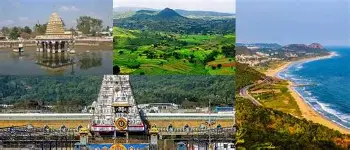
Andhra Pradesh is a state in southeastern India along the Bay of Bengal. It is known for its rich culture, historic temples, beautiful beaches, and scenic hill stations. Telugu is the official language, and the state is famous for its traditions, cuisine, and tourist places like Tirupati and Visakhapatnam.
1-Viskhapatnam

- Visakhapatnam, often called Vizag Eastern coast of India, in the state of Andhra Pradesh. Vizag, The City of Destiny. Around 2 million in the urban area (as of recent estimates).Telugu is the official language; English is also widely used .Vizag lies on the Bay of Bengal and is surrounded by the Eastern Ghats on one side and the sea on the other. It has a tropical wet and dry climate, with hot summers and moderate winters. Beaches Popular ones include Ramakrishna Beach, RK Beach, and Rishikonda Beach. Hills Kailasagiri hill offers panoramic views of the city and the coast.
-
Vizag is the only city in Andhra Pradesh with natural harbor facilities and is considered one of the cleanest cities in India.
-
Nicknamed “The City of Destiny” due to its strategic and economic importance.
Culture & Lifestyle
-
Cuisine is predominantly Andhra style, known for spicy seafood and vegetarian dishes.
-
Festivals celebrated include Ugadi, Sankranti, Diwali, and Vinayaka Chaturthi.
-
Arts & Crafts: Traditional crafts, textiles, and coastal handicrafts are popular.
Tourist Attractions
-
Ramakrishna Beach (RK Beach) – iconic beach with promenades.
-
Kailasagiri Hill Park – panoramic city views, statues, cable car rides.
-
Araku Valley – hill station nearby with coffee plantations and waterfalls.
-
INS Kurusura Submarine Museum – a decommissioned submarine turned museum.
-
Simhachalam Temple – famous Hindu temple on a hill.
-
Dolphin’s Nose – lighthouse and cliff with scenic views.
-
Visakha Museum & TU 142 Aircraft Museum – history and defense exhibits.
Transport
Airport Railway Roads
2.Araku valley
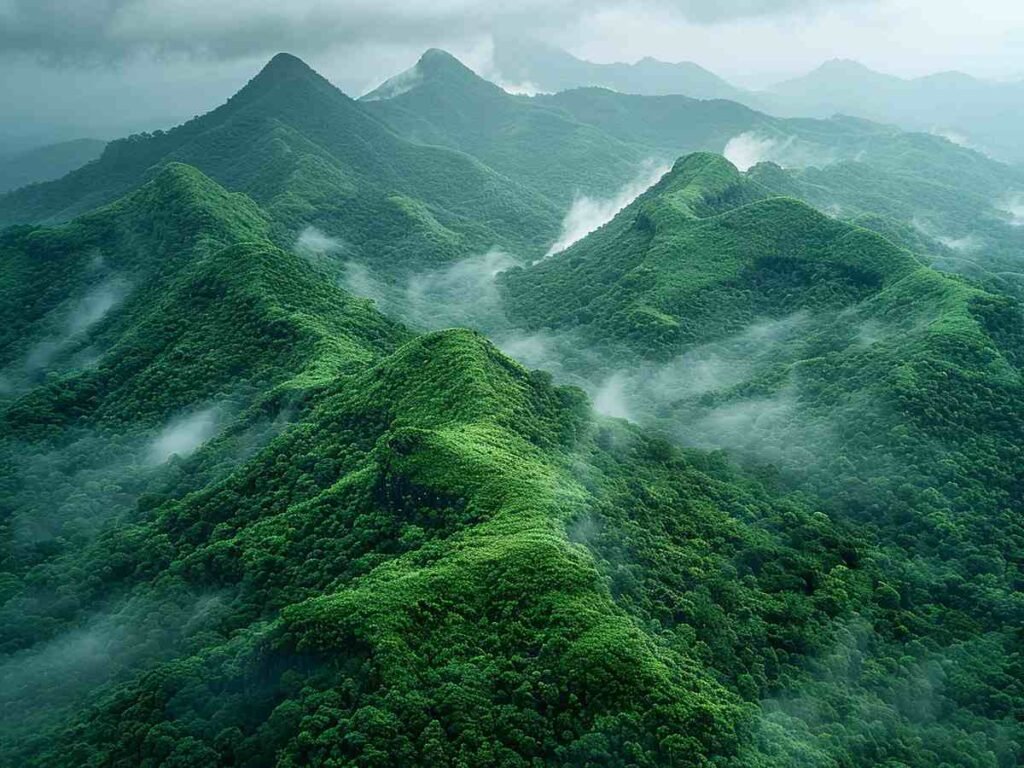
Araku Valley, a scenic gem near Visakhapatnam Eastern Ghats, Andhra Pradesh, about 114 km from Visakhapatnam. Around 900 meters (3,000 feet) above sea level.Pleasant and cool year-round; temperatures range from 16°C to 28°C. Home to Tribal communities, known for unique culture and handicrafts. Coffee Plantations: Araku is famous for organic coffee estates, producing some of India’s best beans. Tribal Museum Showcases tribal culture, artifacts, and lifestyle. Borra Caves: Limestone caves with stalactites and stalagmites; about 35 km from Araku .Waterfalls Katiki Waterfalls – near the river, best visited during monsoon. Padmapuram Gardens Waterfalls – scenic garden waterfall. Valley Views Rolling hills, green forests, and scenic valleys.
Culture & Cuisine
-
The area is rich in Tribal culture – their dances, crafts, and music are significant tourist attractions.
-
Local Cuisine: Bamboo rice, tribal-style roasted chicken, and coffee are specialties.
- Tourist Places
-
Padmapuram Gardens: Beautiful botanical garden with tree houses.
-
Ananthagiri Hills: Scenic spot for trekking and picnics.
-
Borra Caves: Famous for their natural formations and mythological significance.
-
Chaparai Waterfalls: Another picturesque waterfall for nature lovers.
Best Time to Visit
-
October to March: Pleasant weather, perfect for sightseeing and outdoor activities.
-
Monsoon (July–September): Lush greenery and waterfalls, but roads can be slippery.
How to Reach
-
By Road By Train By Air
3-Tirupati
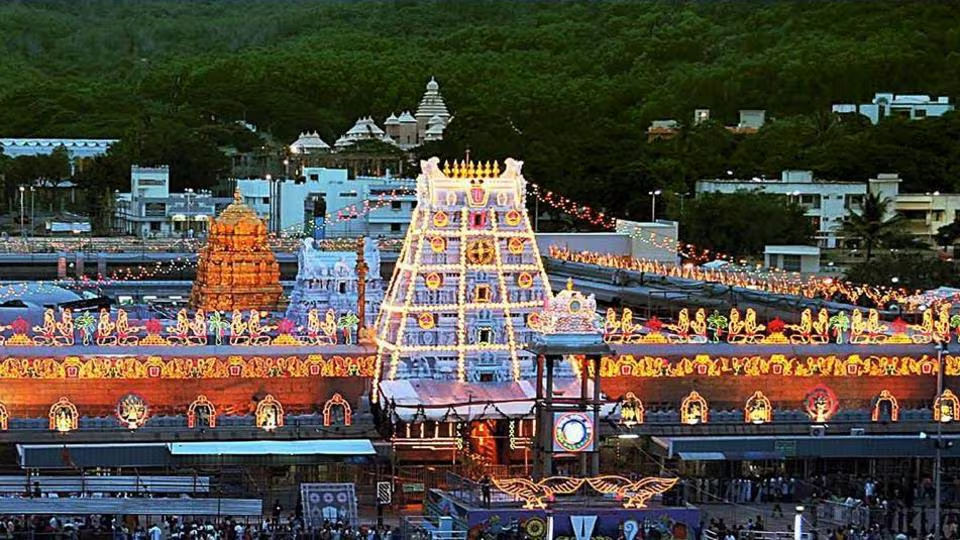
Tirupati, one of the most famous pilgrimage cities in India. Chittoor district, Andhra Pradesh, southern India Around 3 million in the urban area (including Tirupati city and surroundings). Telugu; Sanskrit and English are also widely used in religious context . City of Temples. .Tirupati is primarily famous for the Tirumala Venkateswara Temple, dedicated to Lord Venkateswara (Balaji), an incarnation of Lord Vishnu. Considered one of the richest and most visited temples in the world, attracting millions of devotees annually. It is a major pilgrimage and spiritual center in India, often called the “Temple City of Andhra Pradesh.”
Visit Temples
- Tirumala Venkateswara Temple: Located on Tirumala Hills, about 22 km from Tirupati city. Famous for the “Laddu Prasadam” and massive annual donations. Pilgrims often climb the 7.5 km footpath (Alipiri or Srivari Mettu) to reach the temple.
-
Kapila Theertham: Waterfall and temple dedicated to Lord Shiva, near Tirupati.
-
Sri Padmavathi Temple, Tiruchanur: Dedicated to Goddess Padmavathi, consort of Lord Venkateswara.
-
Govindaraja Swamy Temple: A historic temple in Tirupati city dedicated to Lord Vishnu.
Tourist Attractions
-
Tirumala Hills: Scenic hills with spiritual significance.
-
Chandragiri Fort: Historical fort with royal palaces and museum.
-
Talakona Waterfalls: Tallest waterfall in Andhra Pradesh, located in the Seshachalam Hills.
-
Sri Venkateswara National Park: Rich in flora and fauna; ideal for nature lovers.
-
Sri Vari Museum: Showcases temple history and rituals.
Culture & Festivals
-
Brahmotsavam: Major annual festival at Tirumala Temple, lasting nine days.
-
Vaikunta Ekadasi: Pilgrims throng in huge numbers for special darshan.
-
Devotional music and dance forms are integral, reflecting South Indian Hindu culture.
-
Cuisine: Temple prasadam (laddus) is famous; local Andhra cuisine includes spicy vegetarian dishes and sweets.
4-Amaravati
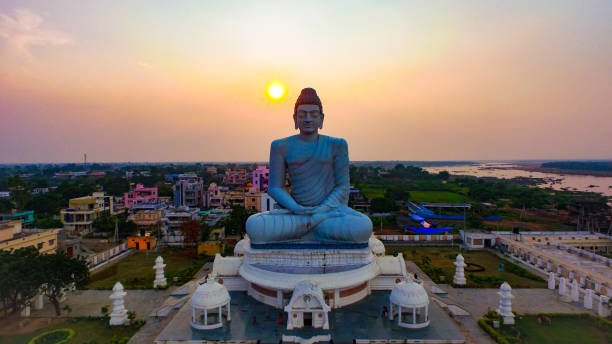
Amaravati, a city of historical and modern significance in Andhra Pradesh Capital region of Andhra Pradesh, on the banks of the Krishna River. Ancient city with historical roots, now part of the modern Andhra Pradesh Capital Region. Ancient Amaravati Known as Dhanyakataka in ancient times. Famous for the Amaravati Stupa, a Buddhist monument dating back to the 3rd century BCE. Important center for Buddhism and trade in ancient Andhra Pradesh. Archaeological findings show sculptures, inscriptions, and relics depicting early Buddhist art.Modern Amaravati as the new capital of Andhra Pradesh after the bifurcation of the state in 2014. Designed as a planned city with wide roads, administrative buildings, and modern infrastructure.
Key Attractions
- Amaravati Stupa: One of the largest Buddhist stupas in India. Intricate carvings depicting Buddha’s life and teachings.
- Amaralingeswara Temple: Ancient Hindu temple dedicated to Lord Shiva, popular among devotees.
- Buddha Museum (Amaravati Archaeological Museum) Displays Buddhist relics, sculptures, and inscriptions from Amaravati Stupa.
- Krishna River Bank: Scenic riverside spots for leisure and cultural activities.
- Capital City Development: Modern landmarks include Government Complex, Secretariat, and public parks in the planned city.
Culture & Festivals
-
Buddhist Heritage: Amaravati is a pilgrimage center for Buddhists, attracting scholars and tourists.
-
Local Festivals: Sankranti, Ugadi, and other Telugu festivals are widely celebrated.
-
Art & Handicrafts: Traditional sculpture and craftwork, especially in Buddhist motifs, are notable.
How to Reach
-
By Air: Nearest airport is Vijayawada Airport (approx. 30 km).
-
By Rail: Vijayawada Railway Station connects Amaravati to major cities.
-
By Road: Well-connected through NH16 and state highways; buses and taxis available.
5.Lepakshi
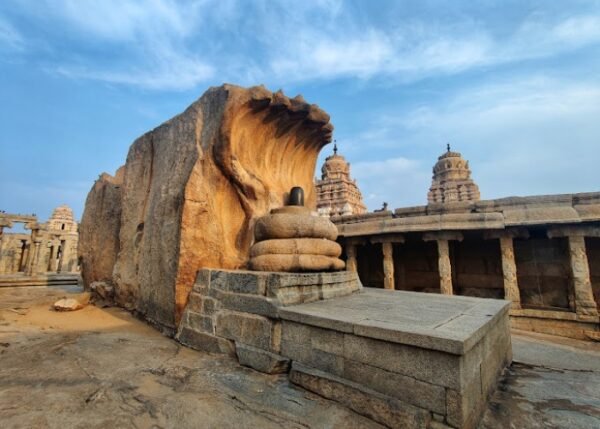
Lepakshi, a remarkable heritage site in Andhra Pradesh. Hindupur Mandal, Anantapur District, Andhra Pradesh, near the border with Karnataka. Famous for its Veerabhadra Temple, exquisite Vijayanagara-style architecture, and ancient sculptures.
Historical Significance
-
Lepakshi dates back to the 16th century during the Vijayanagara Empire.
-
The town is historically linked to Hampi and Vijayanagara architecture.
-
It is associated with Hindu mythology, particularly the Ramayana: the name “Lepakshi” is said to come from the phrase “Le Pakshi” (“Rise, Bird”), referring to a legend about a falling bird being restored to life.
Major Attractions
1- Nandi Bull
-
A giant monolithic Nandi (bull) statue, carved from a single granite rock.
-
Measures around 4.5 meters high and 8 meters long.
-
One of the largest Nandi statues in India, placed in front of the temple.
2. Hanging Pillars
-
The temple has 70 carved pillars, but one is famously “suspended”, demonstrating advanced architectural skills of the Vijayanagara period.
3. Murals and Frescoes
-
Brightly painted ceilings and walls depict stories of Hindu epics.
-
Some of the artwork is over 500 years old.
Culture & Festivals
-
Lepakshi is a Hindu pilgrimage site, especially during Maha Shivaratri and other Shiva-related festivals.
-
The town preserves traditional Telugu culture, rituals, and art forms.
How to Reach
-
By Road: About 120 km from Bangalore and 120 km from Anantapur, connected via NH44.
-
By Rail: Nearest major railway station is Hindupur.
-
By Air: Nearest airport is Bangalore International Airport (approx. 120 km)
6.Srisailam
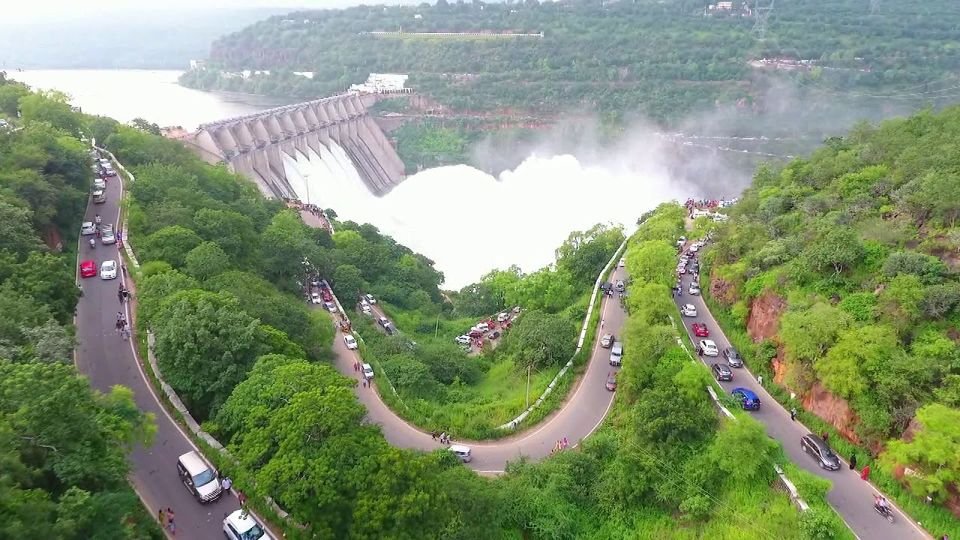
- Srisailam, one of the most sacred pilgrimage towns in Andhra Pradesh. Kurnool District, Andhra Pradesh, on the Nallamala Hills, along the Krishna River .Significance: Famous for the Mallikarjuna Swamy Temple, one of the 12 Jyotirlingas of Lord Shiva and one of the 18 Shakti Peethas. Dedicated to Lord Shiva (Mallikarjuna) and Goddess Bhramaramba. One of the 12 Jyotirlingas, making it a highly revered site for Hindus. Architecture reflects Vijayanagara and Chalukya styles. Town is a major center for devotees from Andhra Pradesh, Telangana, Tamil Nadu, and Karnataka.
How to Reach
By Road: Well-connected via NH765, about 213 km from Hyderabad and 180 km from Kurnool.
By Rail: Nearest railway stations are Markapur Road and Nandyal.
By Air: Nearest airports are Hyderabad (Rajiv Gandhi International Airport) and Vijayawada Airport.
Major AttractionsMallikarjuna Swamy Temple:Twin temple for Lord Shiva and Goddess Bhramaramba. Known for its ancient carvings, intricate pillars, and spiritual rituals. Pilgrims often perform Pradakshina (circumambulation) around the temple complex.
Akka Mahadevi Caves & Pathalaganga: Holy spots along the Krishna River used for ritual bathing and meditation.
Srisailam Dam: Built on the Krishna River, offering scenic views and hydroelectric facilities.
Nallamala Hills & Wildlife Sanctuary: Dense forest area with rich biodiversity, trekking trails, and wildlife safaris. Srisailam Tiger Reserve is one of the major tiger habitats in Andhra Pradesh.
Panchamukha Anjaneya Swamy Temple: Dedicated to Lord Hanuman, located nearby.
Festivals
Maha Shivaratri: Major festival attracting hundreds of thousands of devotees.
Navaratri: Celebrated in honor of Goddess Bhramaramba.
Other important occasions include Vaikunta Ekadasi and Karthika Masam.
Culture
Srisailam preserves Andhra temple traditions, including ritualistic poojas, classical music, and dance performances.
Local cuisine includes spicy Andhra meals, prasadam from the temple, and river fish specialti
7-Nellore
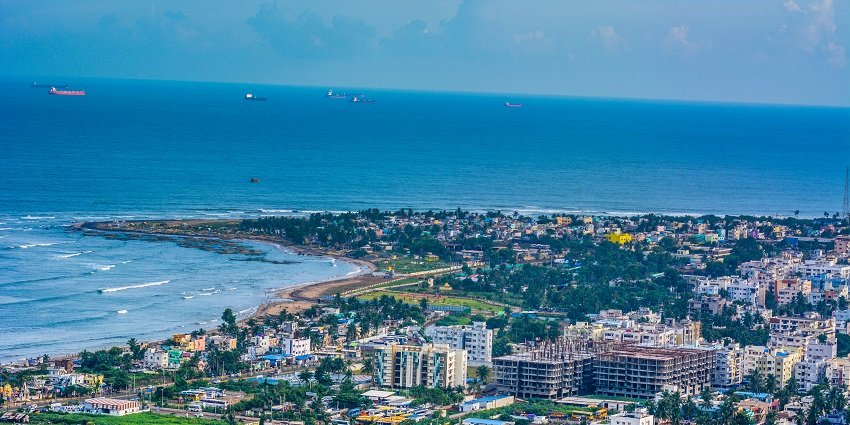
Nellore, a prominent city in Andhra Pradesh Southeastern Andhra Pradesh, near the Penna River, along the Bay of Bengal coast. Land of Paddy (due to extensive rice cultivation). Coastal plains with some low hills inland. Rivers: Penna River flows through the district. Climate: Tropical, with hot summers (March–June), monsoon rains (July–September), and mild winters (December–February). Coastline: Close to Sriharikota and the Bay of Bengal, providing scenic beaches and backwaters. Agriculture: Major producer of paddy, sugarcane, and aquaculture products. Industries: Fertilizer, food processing, and small-scale manufacturing. Fishing & Aquaculture: Coastal and riverine areas support shrimp and fish farming. Trade: Traditionally known for its rice mills, jaggery, and textile products.
-
Nellore is famous as the “Rice Bowl of Andhra Pradesh” due to extensive paddy fields.
-
The district is also known for aquaculture exports, especially shrimp.
Culture & Festivals
-
Sankranti – harvest festival with traditional rituals.
-
Diwali – festival of lights.
-
Ugadi – Telugu New Year celebration. Famous for temple rituals, folk arts, and local cuisine, especially coastal Andhra flavors.
Tourist Attractions
-
Sullurupeta & Sriharikota: Gateway to ISRO’s Satish Dhawan Space Centre, launching rockets and satellites.
-
Udayagiri Fort: Historical fort built by Vijayanagara rulers.
-
Kandukur & Nellore Backwaters: Scenic rivers and wetlands ideal for birdwatching.
-
Nellore Tank Bunds and Lakes: Beautiful water bodies providing recreational areas.
-
Temples: Sri Ranganayaka Swamy Temple Srikalahasti Temple nearby (famous for Rahu Ketu poojas
Transport
-
By Road: Connected via NH16 (Chennai–Kolkata Highway) and state highways.
-
By Rail: Nellore Railway Station is a major stop on the Chennai–Howrah line.
-
By Air: Nearest airports are Tirupati (about 150 km) and Chennai (about 180 km)
8-Kurnool
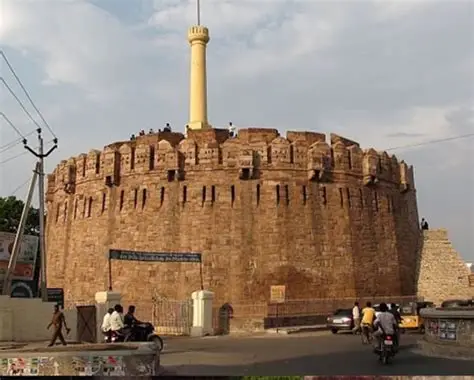
Kurnool, a historic city in Andhra Pradesh Western Andhra Pradesh, on the banks of the Tungabhadra River Gateway to Rayalaseema Kurnool has a rich historical legacy, influenced by several dynasties. Mauryas and Satavahanas in ancient times. Vijayanagara Empire – many forts and temples. Nizam of Hyderabad – ruled during the 18th century. Kurnool served as the capital of Andhra State from 1953 to 1956 before the formation of Andhra Pradesh. Mostly plains with rocky hills nearby. Tungabhadra and Bhavanasi rivers. Semi-arid; hot summers (March–June), monsoon rains (July–September), and mild winters (December–February).
Culture & Festivals
-
Predominantly Telugu culture, with traditions influenced by historic rulers.
-
Ugadi – Telugu New Year.
-
Sankranti – harvest festival.
-
Deepavali – festival of lights
Tourist Attractions
-
Konda Reddy Fort: Historic fort built in 16th century, named after Konda Reddy, a local chieftain. Offers views of the city and surrounding hills.
-
Orvakal Rock Garden: Natural landscape of ancient rock formations, ideal for trekking and photography.
-
Belum Caves: 90 km from Kurnool. Largest limestone caves in Andhra Pradesh, with stalactites and stalagmites.
-
Srisailam: Close to Kurnool (around 213 km), famous for Mallikarjuna Jyotirlinga Temple.
-
Ahobilam: Temple complex dedicated to Narasimha, an incarnation of Lord Vishnu.
Transport
-
By Road: Connected via NH44 (north-south corridor) and state highways.
-
By Rail: Kurnool City Railway Station connects major cities like Hyderabad, Bangalore, and Chennai.
-
By Air: Kurnool Airport (recently developed) connects to Hyderabad and other major cities.
9-Horsley Hills
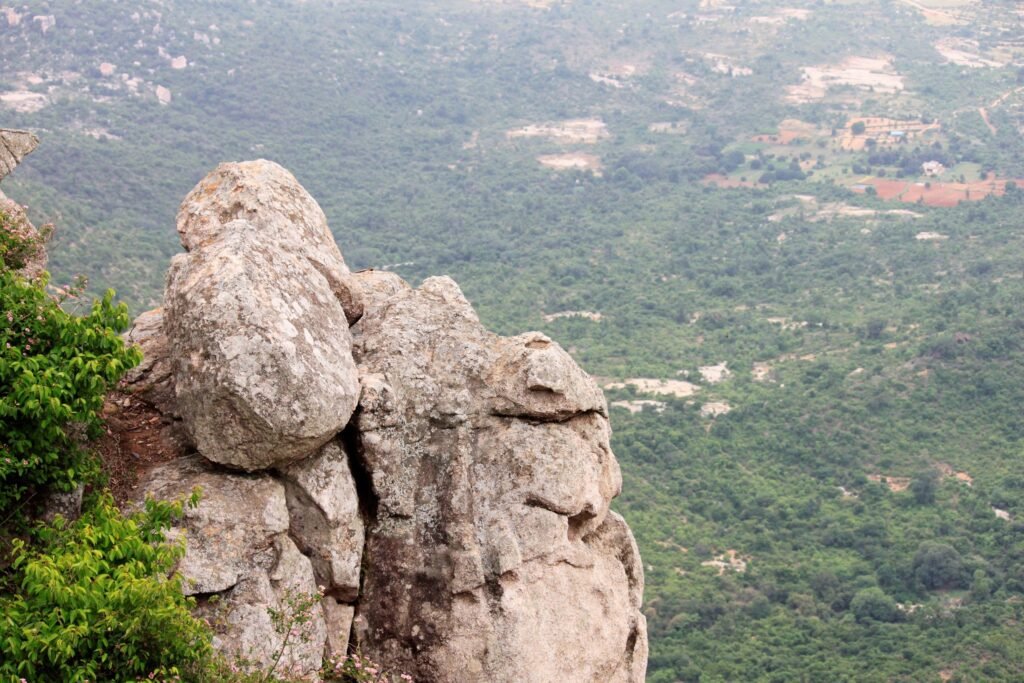
Horsley Hills, a serene hill station in Andhra Pradesh Chittoor District, Andhra Pradesh, near the town of Madanapalle. Pleasant and cool year-round; summers are mild, winters can get chilly. Named after W.D. Horsley, a British collector who developed it as a summer retreat during the colonial period. Originally a dense forest area, later transformed into a hill station for climate and recreation. Popular among tourists and British officials in the 19th century for its temperate climate. Part of the Eastern Ghats. Surrounded by forests, valleys, and streams, giving it lush greenery. Rich in flora and fauna, including Nilgiri langurs, spotted deer, and various bird species.
Tourist Attractions
-
Viewpoints & Sunset Points: Offers panoramic views of the surrounding valleys and hills.
-
Kalyani Lake: Artificial lake created for recreation; boating is popular here.
-
Deer Park & Nature Trails: Spot wildlife like deer, peacocks, and monkeys; enjoy forest walks.
-
Hiking & Trekking: Moderate trails through hills and forest areas, suitable for nature enthusiasts.
-
Sunset and Sunrise Points: Best spots for photography and enjoying scenic landscapes.
Climate & Best Time to Visit
-
October to March: Cool and comfortable weather, ideal for sightseeing.
-
Summer (April–June): Mild compared to plains; still pleasant.
-
Monsoon (July–September): Lush greenery, occasional rain.
How to Reach
-
By Road: Around 120 km from Tirupati and 45 km from Madanapalle, connected via NH-42 and local roads.
-
By Rail: Nearest major railway station is Tirupati or Chittoor.
-
By Air: Nearest airport is Tirupati Airport (~120 km).
10.Rajahmundry

Rajahmundry, a prominent city in Andhra Pradesh: East Godavari district, Andhra Pradesh, on the banks of the Godavari River. “Cultural Capital of Andhra Pradesh” or “River City. Rajahmundry has been an important cultural, religious, and administrative center since ancient times. Known historically as Rajamahendravaram, it was ruled by Eastern Chalukyas and later by the Vijayanagara Empire. The city is associated with Telugu literature and arts, producing many famous poets and scholars. Coastal plains with fertile land due to the Godavari River. Hot summers (March–June), monsoon rains (July–September), and mild winters (December–February). The Godavari delta makes the region ideal for agriculture, especially paddy cultivation
Culture & Festivals
Known as the “Cultural Capital of Andhra Pradesh” for its contributions to Telugu literature and classical arts.
Godavari Pushkaralu: Celebrated every 12 years, attracting pilgrims to the Godavari River.
Sankranti – Harvest festival.
Ugadi – Telugu New Year
Renowned for classical dance, music, and Telugu literary events.
Tourist Attractions
Godavari River: Offers scenic riverfront views, boating, and river cruises. Iconic Godavari Bridge is one of the longest bridges in India.
Dowleswaram Barrage: Built by Sir Arthur Cotton for irrigation, a key landmark and tourist spot.
Kadiyapulanka Gardens: Famous for rose gardens and horticulture displays.
ISKCON Temple: Modern temple with spiritual and cultural activities.
Sri Veerabhadra Temple & Kotilingeswara Temple: Important religious sites in and around the city.
Dowleswaram and Papi Hills: Natural scenic spots along the Godavari River, ideal for trekking and sightseeing.
Transport
By Road: Well-connected via NH16 and state highways, buses run to all major cities.
By Rail: Rajahmundry Railway Station is a major junction on the Howrah–Chennai line.
By Air: Rajahmundry Airport connects to Hyderabad, Chennai, and other cities.